


Business plans aren’t dead. In fact, they may matter more now than they did a few years ago.
Investors are asking tougher questions, lenders want stronger financial projections, and AI is changing how founders create plans. At the same time, the data shows that businesses with a written plan are still more likely to secure funding and grow.
Whether you want to know if business plans still matter or need fresh data to support a point, these stats show where business planning stands today.
Key Takeaways
- Entrepreneurs with a business plan are 152% more likely to launch their ventures.
- Startups with a complete business plan are 2.5x more likely to get funding.
- Businesses with a formal plan grow 30% faster than those without one.
- The business planning software market may reach about $90.19 billion by 2032.
- Only 10% of organizations successfully carry out their strategic plans.
- 42% of business owners have a written transition plan.
- Companies with a business plan secure 133% more investment capital on average.
- Businesses with documented strategies have a 30% higher chance of sales growth
1) Business planning & success rates
A well-crafted business plan isn’t just paperwork; it directly impacts your chances of success. Let’s take a look at how proper planning influences business survival and growth rates.
- Entrepreneurs who write formal business plans are 16% more likely to achieve business viability. (Source)
- 28% of businesses with a business plan secure investment capital. (Source)
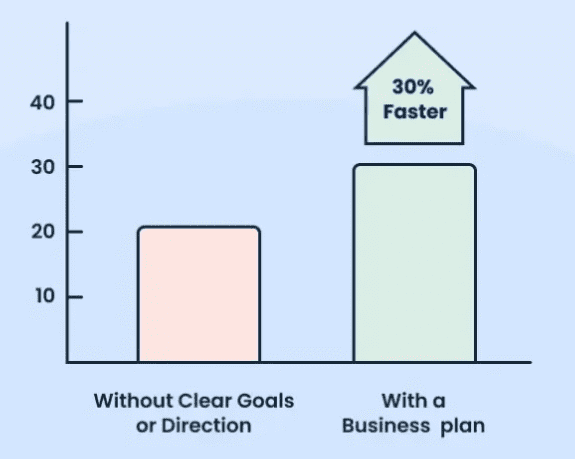
- Businesses with a business plan grow 30% faster than businesses without clear goals or direction. (Source)
- According to Upmetrics’ analysis of 2,348 business plans, the average business plan is approximately 15–20 pages in length.
- 71% of fast-growing businesses have a strategic or business plan. (Source)
- 50% of businesses with business plans experienced growth. (Source)
- At the startup stage, businesses with business plans are 7% more likely to achieve high growth. (Source)
- A study of 135 small businesses found that businesses with plans performed better than those without. (Source)
2) Financial planning & funding insights
Financial planning is key to attracting funding and managing growth. Businesses with clear financial plans secure more investment and make smarter money moves.
- Startups with a complete business plan are 2.5× more likely to secure funding than those without. (Source)
- Investors are often influenced more by a founder’s preparation in the business plan than by their passion. (Source)
- Businesses with a formal plan secure 133% more investment capital than those without one.
- The average Series A funding round in January 2025 was $16.6 million. (Source)
- Nearly half (47%) of Series A startups spend $400,000 or more each month. (Source)
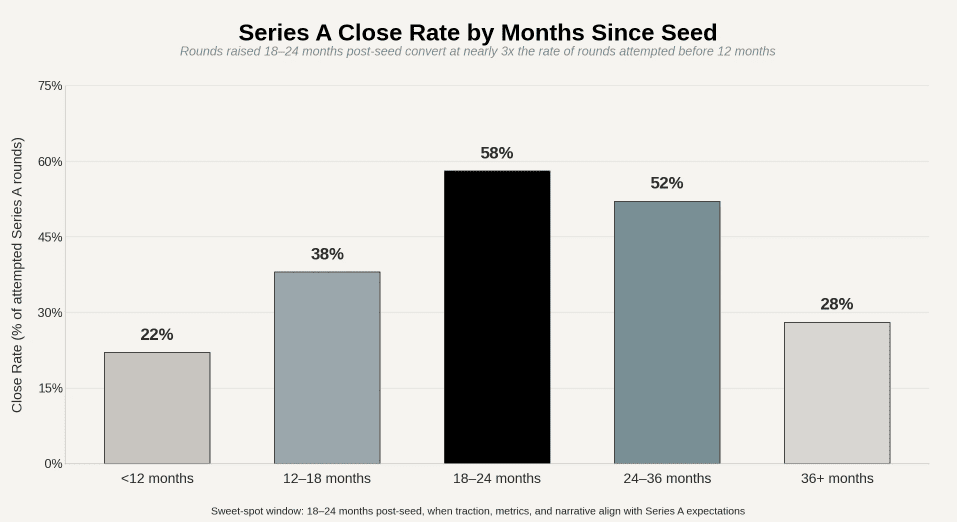
- Startups typically take about 18 to 28 months between funding rounds, moving from Seed to Series A. (Source)
3) Business planning software market size & trends
The demand for business planning software is rising as more businesses use digital tools for smarter decision-making.
- The business planning software market was valued at $55.80 billion in 2024 and is expected to reach around $90.19 billion by 2032. (Source)
- North America leads the market with a 34.6% share. (Source)

- Cloud-based planning software accounts for about 78% of the business planning software market in 2026. (Source)
- AI-enabled predictive planning modules have grown 3.5x since 2024. (Source)
- ESG (Environmental, Social, and Governance) and compliance needs are becoming a new driver for business planning software adoption. (Source)
4) Strategic planning & organizational impact
Strategic business planning plays a central role in shaping an organization’s direction, improving decision-making, and boosting overall performance. It helps companies stay focused, prioritize goals, and respond to market challenges with clarity.
- Only 10% of organizations manage to successfully execute their strategic planning initiatives. (Source)
- Nearly 70% of businesses that last 5 years credit their success to having a solid strategic plan. (Source)
- 85% of executive leadership teams spend less than one hour per month discussing strategy. (Source)
- Companies with documented business strategies have a 30% higher chance of sales growth and even the potential to double their business.
5) Business exit planning & success statistics
Business exit planning is often overlooked, yet it plays a central role in ensuring a smooth, profitable transition. Companies with formal exit and success strategies are more likely to achieve higher valuations and successful handovers when the time comes.
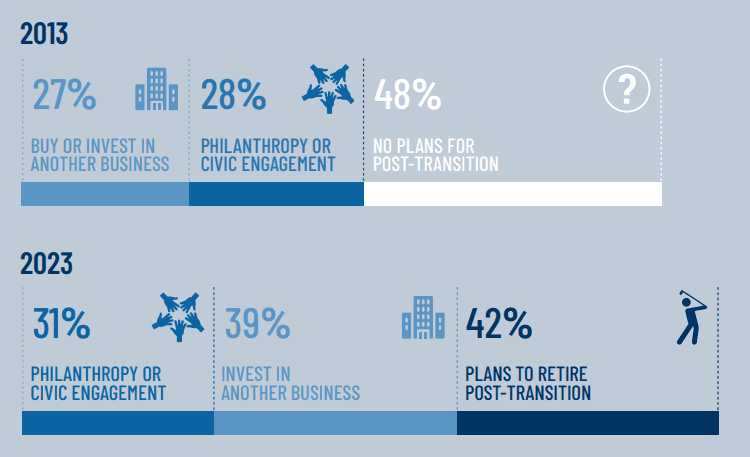
- About 75% of business owners in the US plan to exit within the next 10 years. Meanwhile, 49% of business owners intend to exit within the next five years, but only 42% have a formal written transition plan. (Source)
- 42% of business owners plan to retire after exiting their businesses. Whereas 39% intend to invest in a new business and 31% plan to focus on philanthropy or civic causes. (Source)
- In 2023, 68% of business owners actively sought professional advice for their business transitions. However, 78% of them still did not have a formal transition team in place. (Source)
- When selecting an exit business planning, 70% of business owners favor transferring ownership within the company. (Source)
- Within a year of selling, 75% of business owners experience regret over their decision. (Source)
The bottom line
The data shows that business plans still matter in 2026, but the way people create them is changing.
Businesses with a written plan are more likely to grow, get funding, and stay focused on their goals. Clear financial forecasts also matter more today, helping business owners, lenders, and investors make better decisions.
Technology is making the planning process easier. AI tools, cloud software, and forecasting tools help founders create plans faster and update them as their business changes.
The goal is not just to write a business plan. It is to build one that is specific, financially strong, and easy to update. Upmetrics’ AI business plan generator can help create a first draft faster, so founders can spend more time checking the numbers and using the plan for real decisions.
Turn Business Plan Insights Into Action
Use the latest business planning data to create a clear and practical plan for your business.

Frequently Asked Questions
Do business plans really improve a startup’s chances of success?
How common is it for small businesses to have a formal business plan?

Vinay Kevadia
Vinay Kevadiya is the founder and CEO of Upmetrics, the #1 business planning software. His ultimate goal with Upmetrics is to revolutionize how entrepreneurs create, manage, and execute their business plans. He enjoys sharing his insights on business planning and other relevant topics through his articles and blog posts. Read more